The Linen Care Guide Every Woman Should Read – Your Favorite Pieces Will Thank You

by Olivia S.
Published:
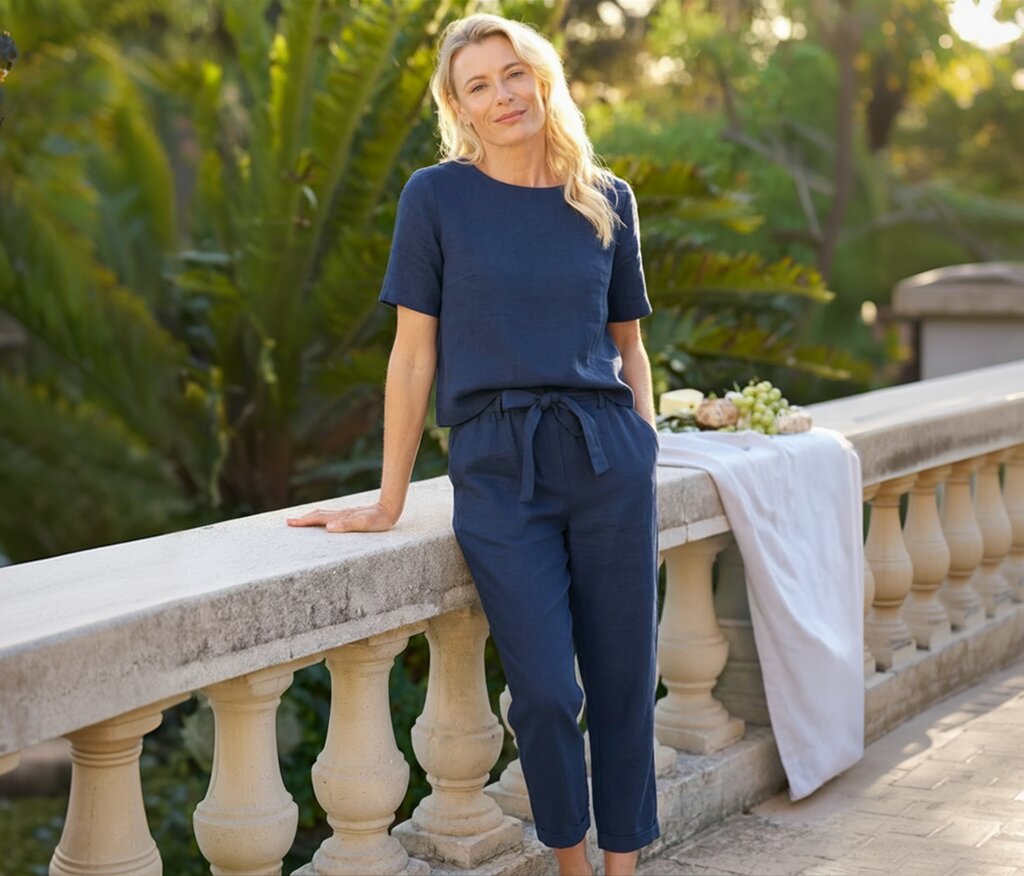
There’s a moment every linen lover knows. You pull your favorite piece from the wash, hold it up to the light – and feel a quiet panic. Did it shrink? Is that a permanent crease? Why does it look like it’s been through a storm?
Here’s the truth: linen is not a difficult fabric. It’s just a different one. Once you understand what it needs – and what it absolutely doesn’t – caring for it becomes second nature. And your pieces will reward you for years.
This is everything you need to know. And if you’re looking for linen that’s already made peace with its own nature – relaxed, crinkled, beautifully imperfect – the new Not Perfect Linen collection from North Fashion Store is exactly that. Pieces designed to be worn, washed, and loved – no perfection required.
First: Why Linen Behaves the Way It Does
Linen is made from flax plant fibers – one of the oldest and most resilient natural materials in the world. Those same fibers that make it so breathable and long-lasting are also why it wrinkles easily, feels stiff when new, and can shrink if you’re not careful with heat.
The good news? Once you wash linen a few times, it softens beautifully and becomes one of the most comfortable fabrics you’ll ever wear. The texture you see on pieces from the Not Perfect Linen collection – that natural crinkle, that lived-in quality – is linen doing exactly what it’s supposed to do. It’s not a flaw. It’s the character of the fabric.
1.
Washing: Cool Water Is Your Best Friend
🌿 “I used to be afraid of washing my linen. Now I wash it on cold, hang it up, and it comes out looking better every single time.” – Susan, 64
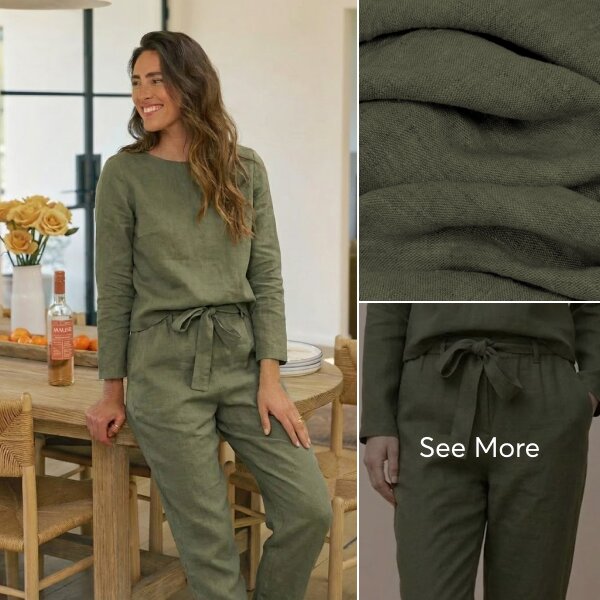
Machine wash on a gentle or delicate cycle, using cool or lukewarm water (30°C max). Hot water is the main culprit behind linen shrinkage – avoid it entirely.
Use a mild, pH-neutral detergent. Avoid anything with bleach or optical brighteners, which weaken linen fibers over time. For colored pieces, a detergent designed for delicates will help preserve the richness of the color.
Hand wash is always a safe choice for delicate or embroidered pieces – a gentle swirl in cool soapy water is all it needs. Rinse thoroughly and never wring or twist the fabric.
2.
Drying: Skip the Dryer, Trust the Air
☀️ “I hang my linen pieces on a wide hanger while still slightly damp — by the time they’re dry, they look almost pressed. No iron needed.” – Patricia, 61
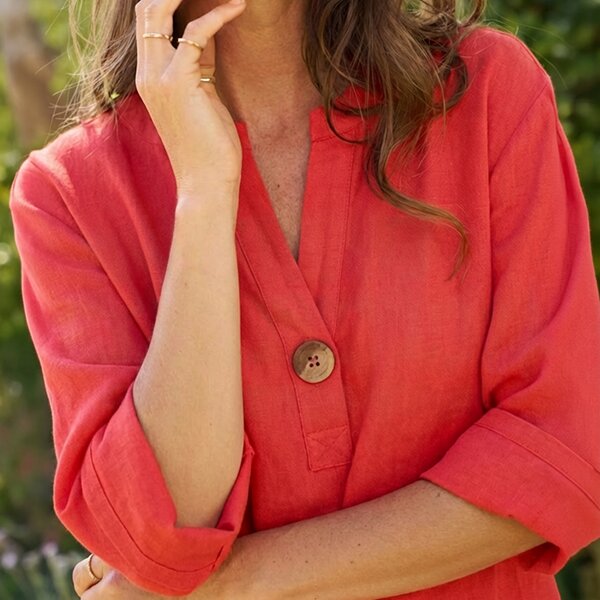
The tumble dryer is the enemy of linen longevity. High heat causes fibers to contract and can permanently alter the shape of your garment. Air drying is always the right choice.
Hang linen pieces on a wide-shoulder hanger while still slightly damp – the weight of the water helps the fabric relax and smooth out naturally. Keep out of direct harsh sunlight for extended periods, which can fade colors. A shaded spot with good airflow is ideal.
For pieces with a natural crinkle texture – like those in the Not Perfect Linen collection — drying on a hanger is all you need. The crinkle is intentional. Embrace it.
3.
Ironing: When You Want It, How to Do It Right
👗 “I iron my linen while it’s still damp and it comes out perfectly smooth. But honestly, half the time I just wear it as-is – and I always get compliments.” – Margaret, 67
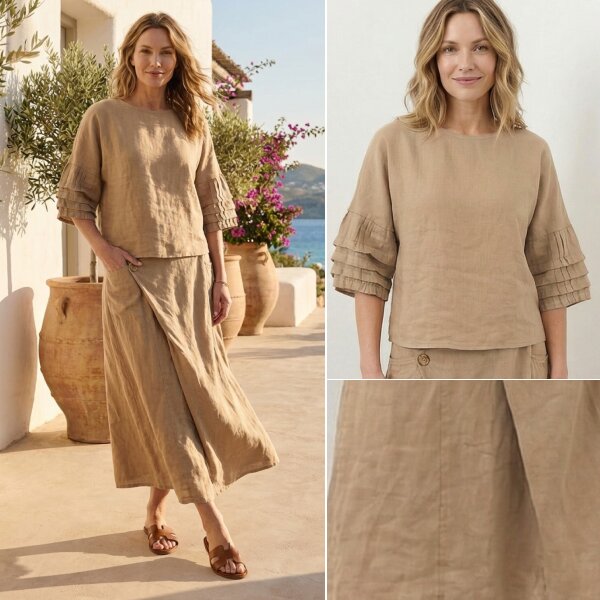
Linen irons beautifully – but only when it’s slightly damp. If it’s dried completely, mist it with water first or use a steam iron. Set the temperature to medium-high (linen setting) and iron on the reverse side to protect the fabric surface and avoid shine marks.
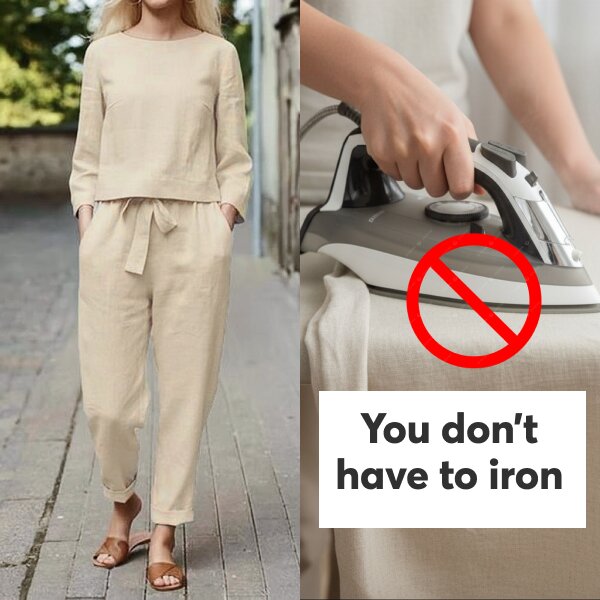
That said: for relaxed, natural-fabric styles like wide-leg trousers, flowing shirts, or the crinkle-texture pieces in the Not Perfect Linen range, ironing is entirely optional. The natural texture is part of the aesthetic – and a very intentional one.
4.
Storing: How to Keep Linen Looking Fresh Season After Season
🌸 “I store my linen pieces loosely folded in a cotton bag – never plastic. They come out the following season smelling fresh and looking perfectly fine.” – Diane, 59
Linen needs to breathe. Never store it in plastic bags or airtight containers – trapped moisture causes mildew and weakens fibers. Cotton storage bags or open shelving are ideal.
Fold loosely rather than tightly (sharp creases along the same fold line repeatedly can weaken the fabric over time). For hanging storage, use wide wooden or padded hangers to maintain the shoulder shape of tops and jackets.
Keep linen in a cool, dry, well-ventilated space away from direct sunlight. A cedar block nearby will naturally deter moths without the harshness of chemical mothballs.
⚡ Quick Reference: Linen Do’s & Don’ts
✓
Wash on a gentle cycle at 30°C or cooler
✓
Air dry on a wide hanger while slightly damp
✓
No Iron needed. If you want to iron, do it on reverse side while damp, medium-high heat
✓
Store loosely folded in breathable cotton bags
✓
Embrace the natural crinkle – it’s part of the beauty
✗
Use hot water or a hot dryer cycle
✗
Wring or twist when wet
✗
Use bleach or harsh detergents
✗
Store in plastic or airtight containers
✗
Iron on the right side at high heat – you’ll get shine marks
🌿 A Word About the Not Perfect Linen Collection
One of the things we love most about the Not Perfect Linen collection from North Fashion Store is what the name itself communicates: an honesty about linen’s natural character. The crinkle texture, the relaxed drape, the way it softens with every wash – these aren’t imperfections to be corrected. They’re the whole point.
With 33 pieces spanning dresses, tops, sets, and separates in a wide range of colors – from soft neutrals to deep, rich tones – it’s a collection built around real life. Easy to wear, even easier to care for, and genuinely beautiful in that understated way that only natural fabrics can be.

This article was created in partnership with North Fashion Store. Trendy Fashion Journal only features brands and products we genuinely believe in.